Blog
 13 Oct 2026
Petrol, diesel, CNG or electric: which used car makes sense for you?
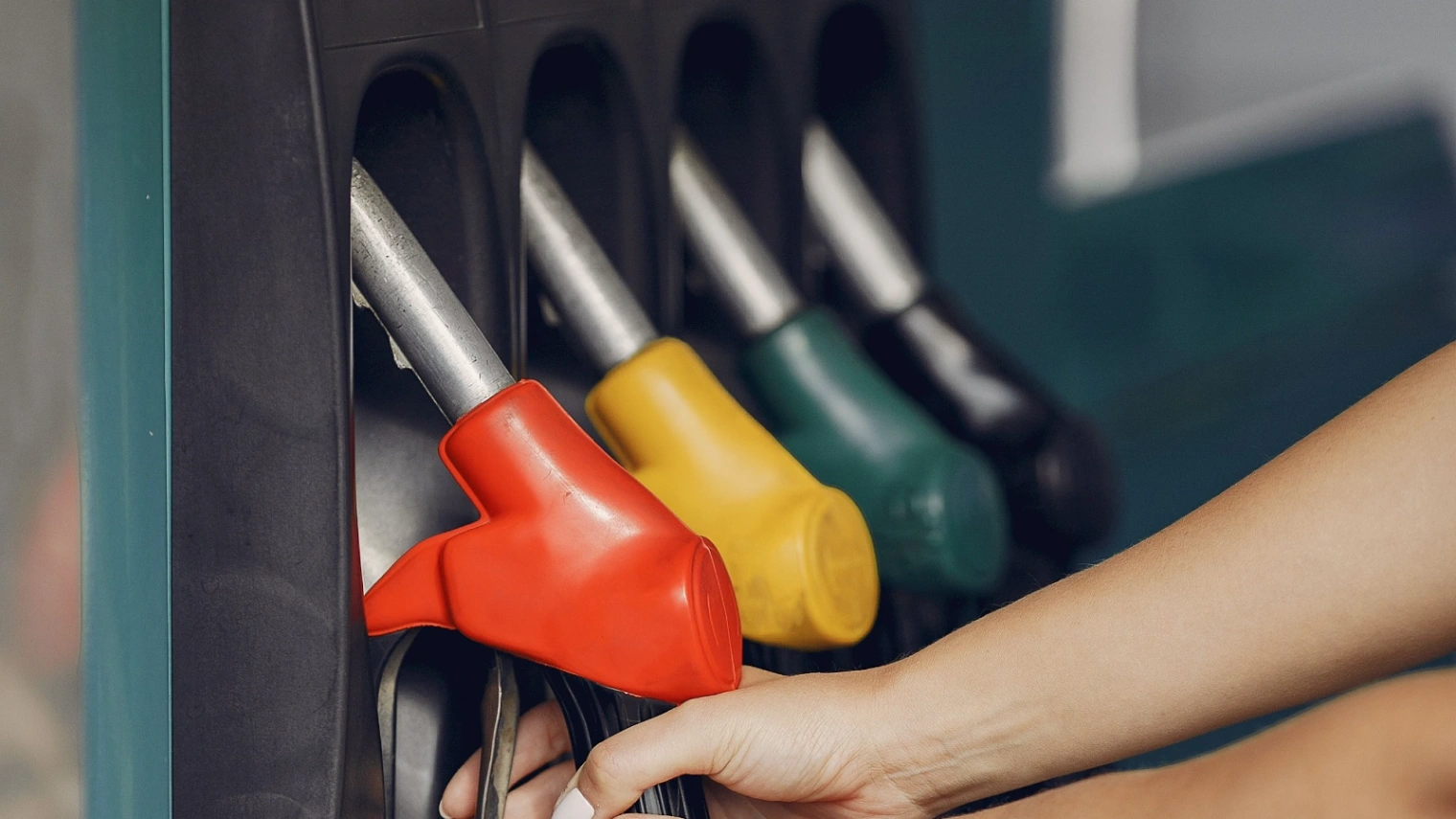
When you are buying a used car, the fuel type affects your running costs, your maintenance bills and the price you will get when you sell it on. There is no single best choice. It depends on how much you drive and where. Petrol Petrol cars are usually cheaper to buy and cheaper to maintain than diesel ones, and they are smooth and quiet in city traffic. Fuel costs more per kilometre than diesel or CNG, so a petrol car makes most sense if you drive less than about 1,000 km a month. For most families using a car for daily city trips and the occasional long drive, a petrol car is the simplest and safest choice. Diesel Diesel engines give better mileage and more pulling power, which suits long highway drives, heavy loads and hilly roads. The trade-offs are a higher purchase price, costlier servicing and repairs, and stricter rules on older diesel vehicles in some cities. A used diesel car makes sense if you drive a lot every month and plan to keep the car for several years. Check the service history carefully, because a neglected diesel engine is expensive to fix. CNG CNG has the lowest fuel cost per kilometre of the three, which is why it is popular with taxis and people who drive long distances every day. In Kerala, the number of CNG stations has been growing but is still limited in many areas, so check where your nearest station is before you buy. A CNG car also loses some boot space to the cylinder. If you are buying a car with an aftermarket CNG kit, make sure the kit is approved and recorded on the RC. Electric Electric cars are very cheap to run, especially if you can charge at home, and they have far fewer parts that need regular servicing. The battery is the most important thing to check on a used EV. Ask about its health, how far the car actually goes on a full charge today, and how much of the battery warranty is left. Used EVs are still newer to the market, so resale values are harder to predict. A simple way to decide 1. Low monthly driving, mostly in the city: petrol. 2. High monthly driving, lots of highway: diesel, or CNG if there are stations near you. 3. Predictable daily trips and home charging: electric. Whatever you choose, the condition of the individual car matters more than its fuel type. Inspect it carefully, take a proper test drive, and check the documents before you pay. Browse cars of every fuel type near you on Flystore.
Read more 13 Oct 2026
How to sell your used car or bike faster, and for a better price
Two identical vehicles can sit on a classifieds site for very different lengths of time. The difference is rarely the vehicle. It is almost always the price, the photos and how quickly the seller replies. Here is how to get yours sold. 1. Set a realistic price Search for the same model, year and fuel type near you and see what similar vehicles are listed for. Buyers do the same thing. Price slightly above what you will accept so you have room to negotiate, but not so high that buyers scroll past without opening your ad. 2. Clean it before you photograph it A wash, a vacuum and a wipe of the dashboard cost very little and make a big difference in photos. Remove personal items from the cabin and the boot. 3. Take good photos Shoot in daylight, in an open space, without other vehicles crowding the frame. Include the front, the back, both sides, the dashboard with the odometer visible, the seats, the engine and the tyres. Your first photo is the one buyers see in the feed, so make it your best one. Flystore lets you change the background of your cover photo, but the vehicle itself must always look exactly as it is. 4. Add a short video A 15 to 30 second video showing the engine running and a walk around the vehicle answers many questions before a buyer even messages you. Ads with a video get noticed in the Shorts feed too. 5. Write an honest description Mention the year, kilometres driven, number of owners, fuel type, insurance validity, service history and any recent repairs or new parts. Be upfront about scratches or problems. A buyer who discovers something you did not mention will either walk away or push the price down hard. 6. Keep your papers ready Have the RC, insurance, PUC certificate and service records ready, and if there is a loan on the vehicle, start getting the bank's NOC early. A seller with complete papers closes the deal faster. 7. Reply quickly Most buyers message several sellers at once. The seller who replies first, politely and with clear answers usually gets the visit. 8. Be safe when you sell Meet buyers in daylight, in a public place, and never hand over the keys until the payment shows in your own bank account. A payment screenshot is not proof of payment. Fill in the transfer forms on the day of the sale so the vehicle leaves your name. Ready to sell? Post your ad on Flystore for free, and buyers near you will see it first.
Read more 13 Oct 2026
How to avoid scams when buying or selling a vehicle online
Most people you meet on a classifieds site are genuine buyers and sellers. A few are not. The good news is that almost every scam follows one of a handful of patterns, and once you know them they are easy to spot. The golden rule Never pay any money before you have seen the vehicle and the original documents in person. Not a token amount, not a booking fee, not a delivery charge. Flystore does not take payments or hold money for anyone, so anybody who asks you to pay before you meet is asking you to take a risk. Common scams to watch out for 1. The army or transfer story. The seller says they are a soldier, a government officer or someone who has just been transferred to another state, so the vehicle is with a courier or at an army camp. You are asked to pay for transport or clearance first. The vehicle does not exist. 2. The price that is too good. A nearly new car or bike priced far below everything similar is the bait used in most scams. If the price looks unbelievable, it probably is. 3. Pressure to move off the platform. The other person quickly asks to continue on another app, or to pay by a link they send. Stay in the Flystore chat until you have met in person. 4. The fake payment. When you are selling, a buyer sends a screenshot of a payment, or asks you to scan a QR code to receive money. Scanning a QR code or entering your UPI PIN only ever sends money, it never receives it. Always confirm the amount in your own bank account before you hand over the keys. 5. The OTP request. Nobody genuine will ever need the one-time code sent to your phone. Not a buyer, not a seller, and not Flystore. Sharing it can give someone access to your account or your bank. 6. The overpayment. A buyer pays more than the agreed price by mistake and asks you to refund the difference. The original payment is often reversed later. Safe habits for meeting in person Meet in a busy public place during the day, and take a friend along. Check the RC, the insurance and the chassis number against the vehicle before any money changes hands. For a large amount, use a bank transfer and wait until it shows in your account. If something feels wrong Trust your instinct and walk away. On Flystore you can block a user and report an ad, a chat or a profile with one tap. Our team reviews every report and removes accounts that break the rules. If you have already lost money, report it to the national cyber crime helpline on 1930 or at cybercrime.gov.in as soon as possible.
Read more 13 Oct 2026
RC transfer in Kerala: documents and steps to change vehicle ownership
When you buy or sell a used vehicle, the deal is not finished when the money changes hands. The registration certificate (RC) has to be transferred to the new owner. Until that happens, the seller is still the legal owner, and stays responsible for anything the vehicle is involved in, from traffic fines to accidents. This guide explains how the transfer works in Kerala. Rules and fees can change, so always confirm the latest details on the Parivahan website or with your RTO. When to do it The Motor Vehicles Act expects the transfer to be reported within 14 days when the buyer lives in the same state, and within 45 days when the buyer lives in a different state. Doing it on the day of the sale is the safest option for both sides. Documents you will usually need 1. The original RC. 2. Form 29, the notice of transfer of ownership, signed by the seller. It is usually submitted in two copies. 3. Form 30, the application for transfer of ownership, signed by both the seller and the buyer. 4. A valid insurance certificate. 5. A valid pollution under control (PUC) certificate. 6. Address proof for the buyer, such as Aadhaar. 7. PAN card details, or Form 60 if the buyer does not have a PAN. 8. If the vehicle had a loan, the bank's NOC and Form 35 to remove the loan (hypothecation) from the RC. 9. If the vehicle is registered in another state, an NOC (Form 28) from the original RTO. The steps 1. Fill in Forms 29 and 30. You can download them from the Parivahan website. 2. Apply online through the Vahan services on the Parivahan website. Choose the transfer of ownership service, enter the vehicle details, upload the documents and pay the fee online. 3. Submit the original documents at the RTO if you are asked to, and keep the receipt. 4. Once the transfer is approved, the new RC is issued in the buyer's name, either as a smart card by post or as a digital RC you can download. Tips for sellers Do not hand over the vehicle with only signed blank forms. Keep a copy of every signed form and a written sale agreement that records the date, time, odometer reading and price. If the buyer delays the transfer, these papers protect you. Tips for buyers Check that the chassis and engine numbers on the vehicle match the RC before you pay. Check for unpaid fines and any loan on the vehicle using the registration number. Transfer the insurance to your name as well, because a policy in the old owner's name may not protect you. On Flystore, buyers and sellers deal directly with each other. We never take payments, so settle the price only after you have seen the vehicle and the documents in person.
Read more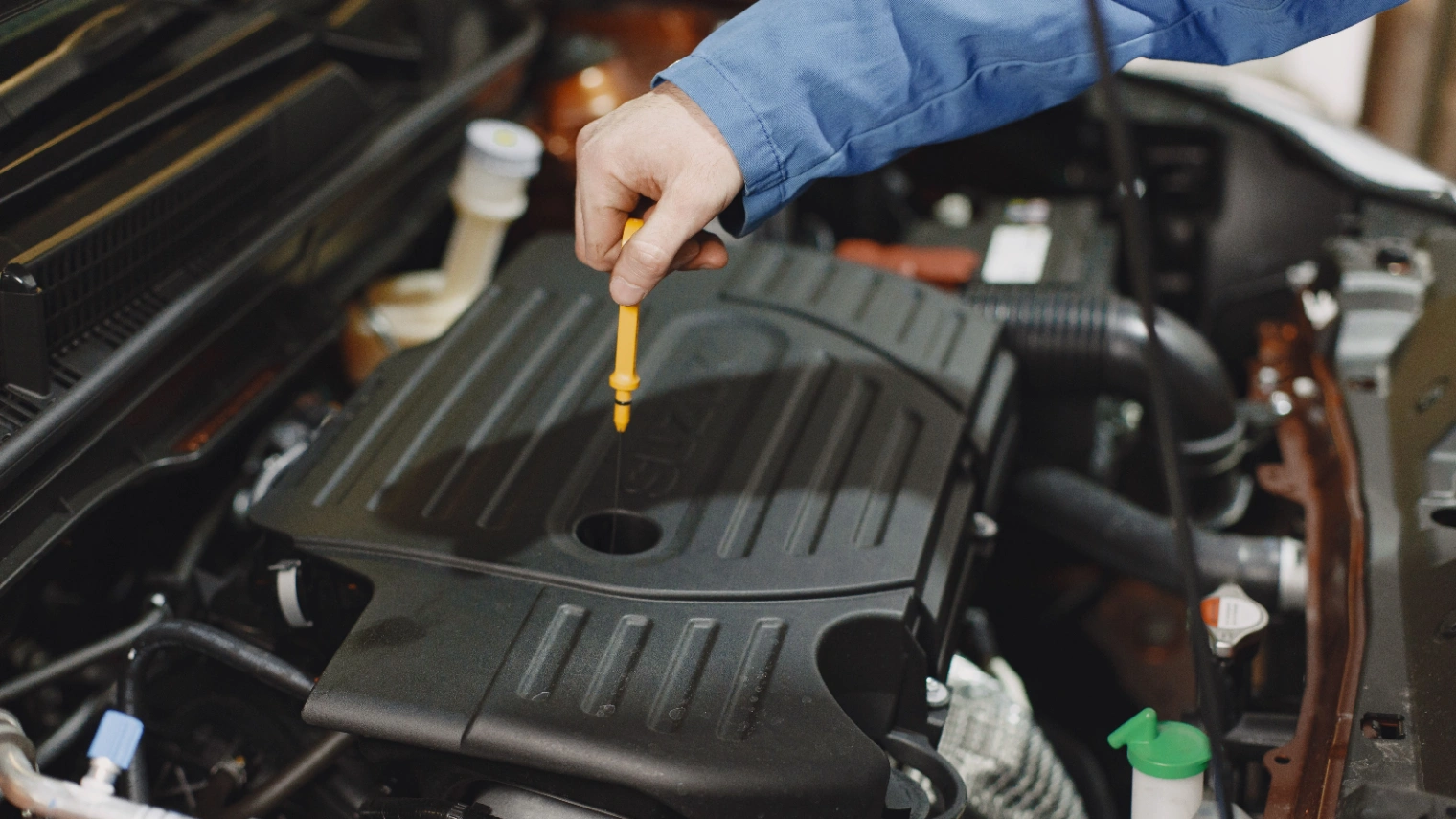 13 Oct 2026
How to check a used car before you buy: a 15-point checklist
Buying a used car can save you lakhs, but only if you know what you are paying for. A car that looks clean in photos can still hide an accident, a tired engine or paperwork problems. Use this checklist when you go to see a car, and take a friend or a trusted mechanic along if you can. Before you go 1. Ask for the registration number and check it on the Parivahan website or the mParivahan app. Make sure the owner name, model, fuel type and year match the ad. 2. Ask how many owners the car has had and whether there is a loan on it. A car still under a bank loan needs the bank's NOC before it can be transferred to you. 3. Ask for photos of the RC, the insurance and the service book. A seller who refuses to share them is a warning sign. Outside the car 4. Look along each side in daylight. Ripples, uneven gaps between panels or slightly different shades of paint usually mean the car has been repainted after damage. 5. Check the tyres. Uneven wear on one edge can point to alignment or suspension problems. Look at the date code on the tyre wall too; tyres older than five or six years should be replaced, whatever the tread looks like. 6. Look under the car and in the boot for rust, especially if the car has spent years near the coast. 7. Check that all the lights, indicators and wipers work. Under the bonnet 8. Start the engine from cold if you can. Listen for knocking or rattling, and watch for heavy smoke from the exhaust. Blue smoke means burning oil, and thick white smoke on a warm engine can mean a coolant problem. 9. Check the engine oil and coolant. Milky oil or oil in the coolant is a serious problem. 10. Look for fresh oil leaks, and for bolts on the front panels that have obviously been removed. That can point to a front-end accident. Inside the car 11. Compare the odometer reading with the wear on the steering wheel, gear knob, pedals and driver's seat. A car showing 30,000 km with a worn-out steering wheel deserves more questions. 12. Turn on the AC and check that it cools properly within a few minutes. AC repairs are expensive. 13. Test the windows, locks, music system and every switch. On the road 14. Take a proper test drive on a mix of roads. The car should drive straight, brake straight, and change gears smoothly without grinding. Listen for clunks over bumps. 15. Ask for the service history and match it against the odometer. Regular servicing at the right intervals is one of the best signs of a well-kept car. A final word Never pay an advance before you have seen the car and the original documents in person. A genuine seller will be happy to let you inspect the car properly. If something does not feel right, it is always fine to walk away. There will be another car. Find used cars near you on Flystore, nearest first, and chat with the seller before you visit.
Read more